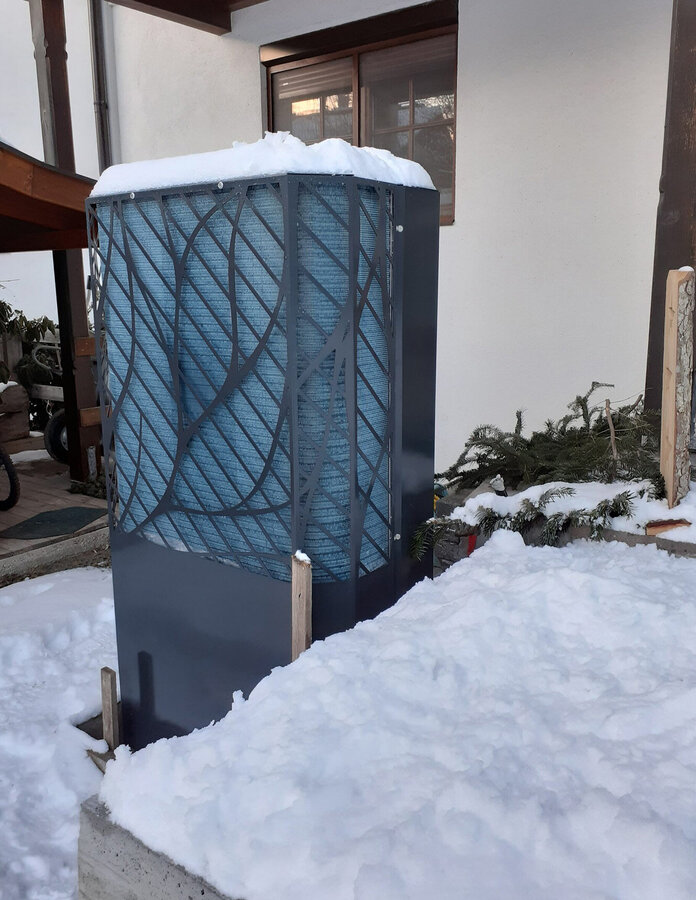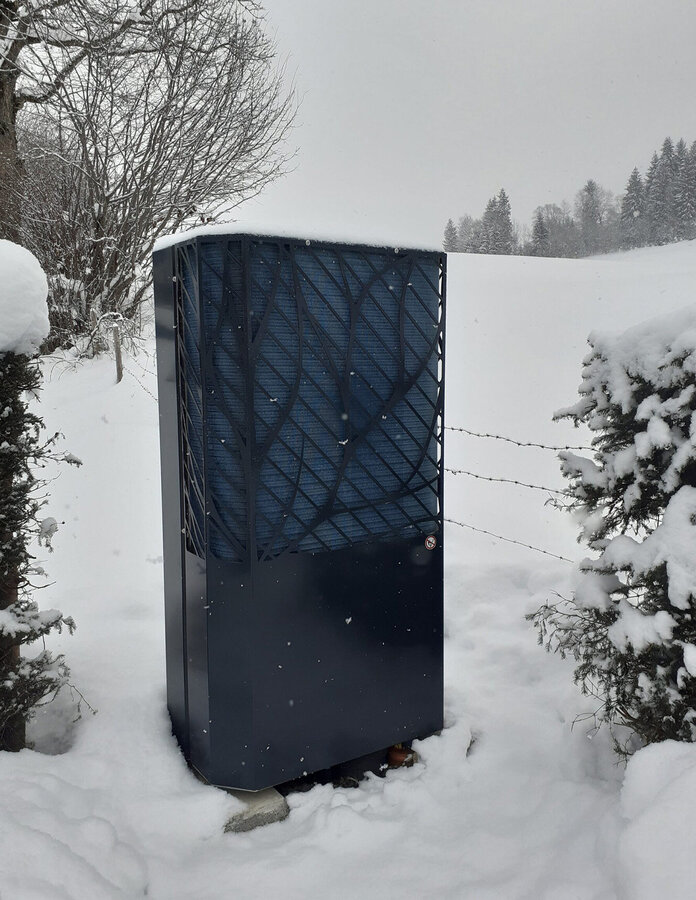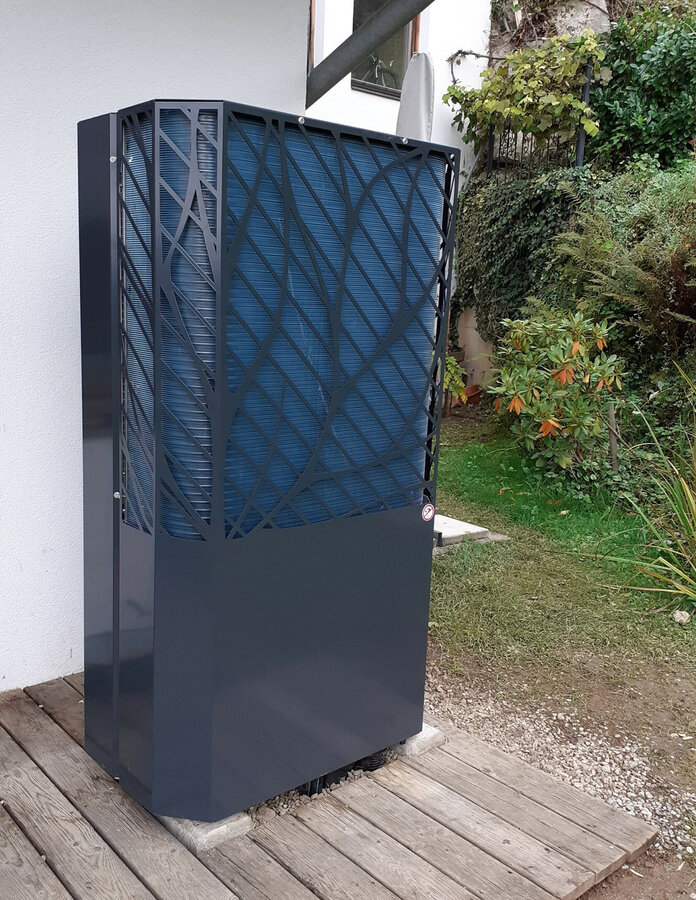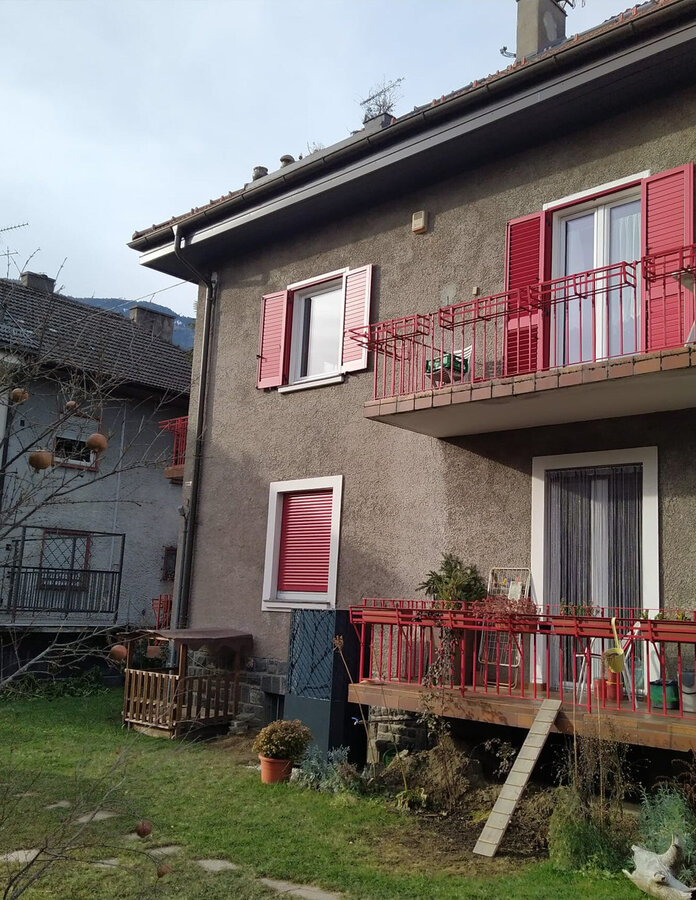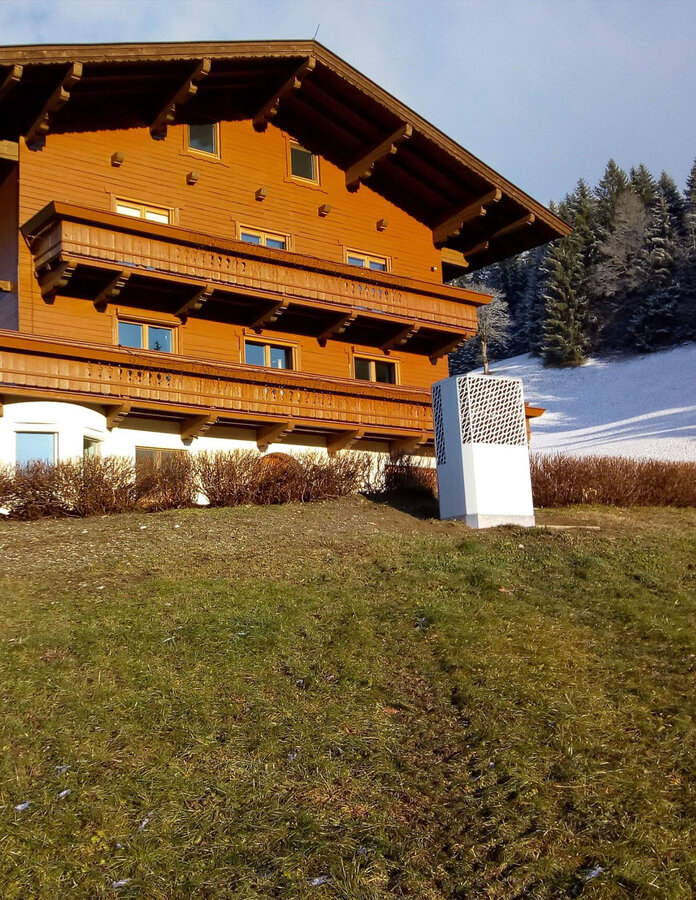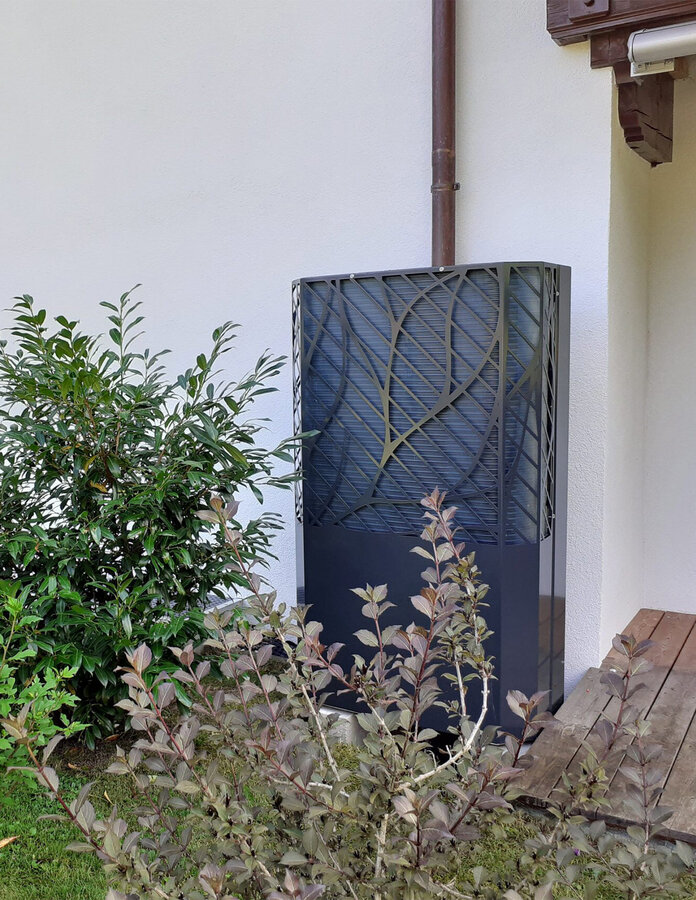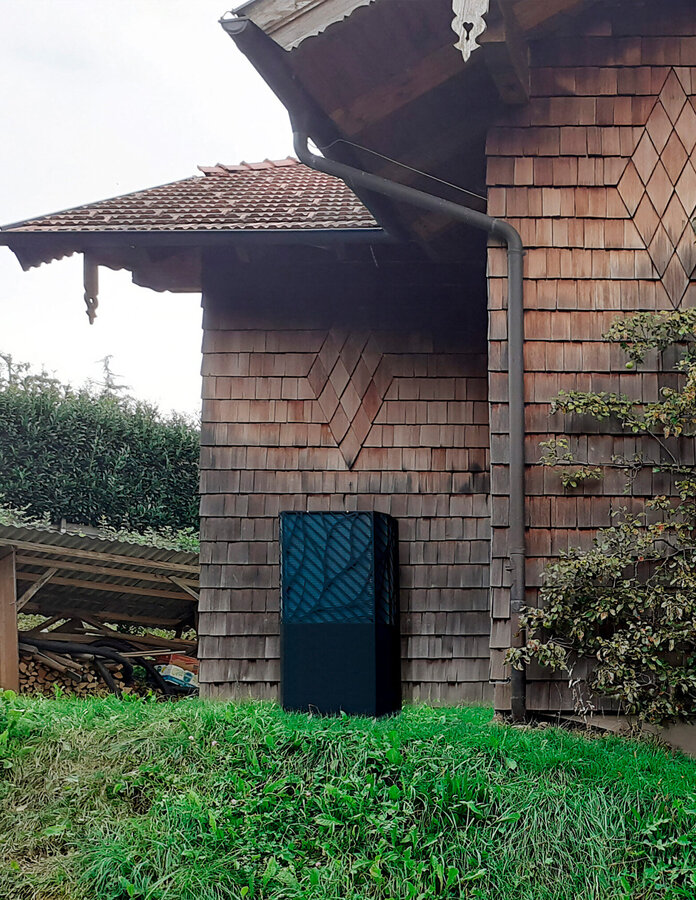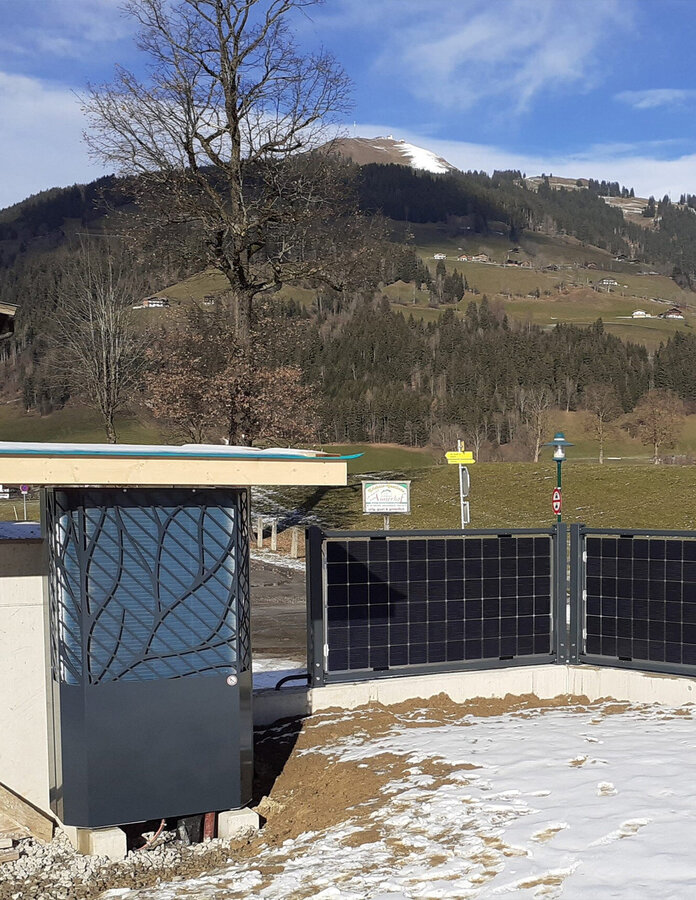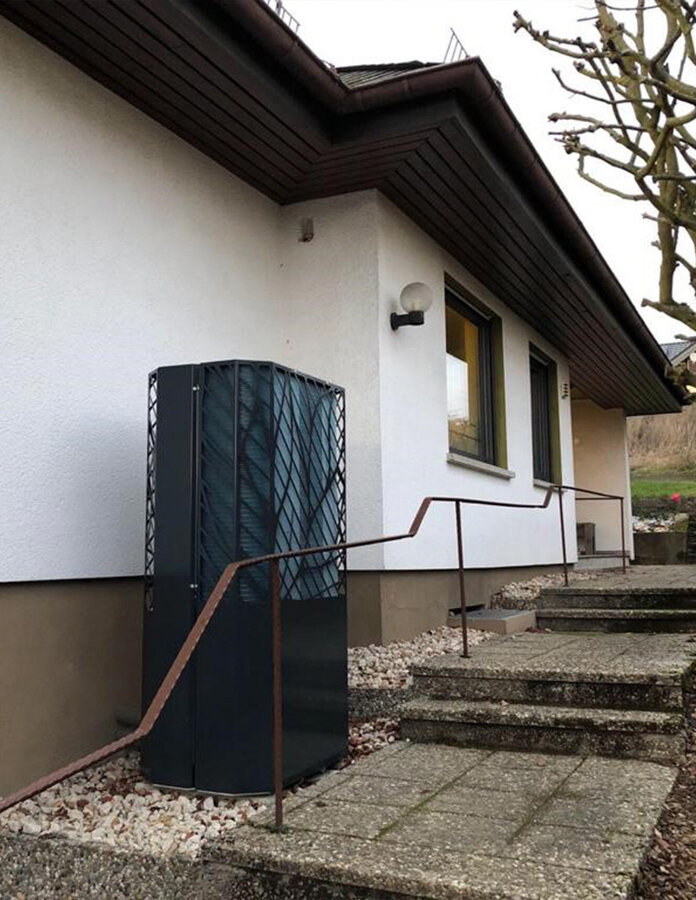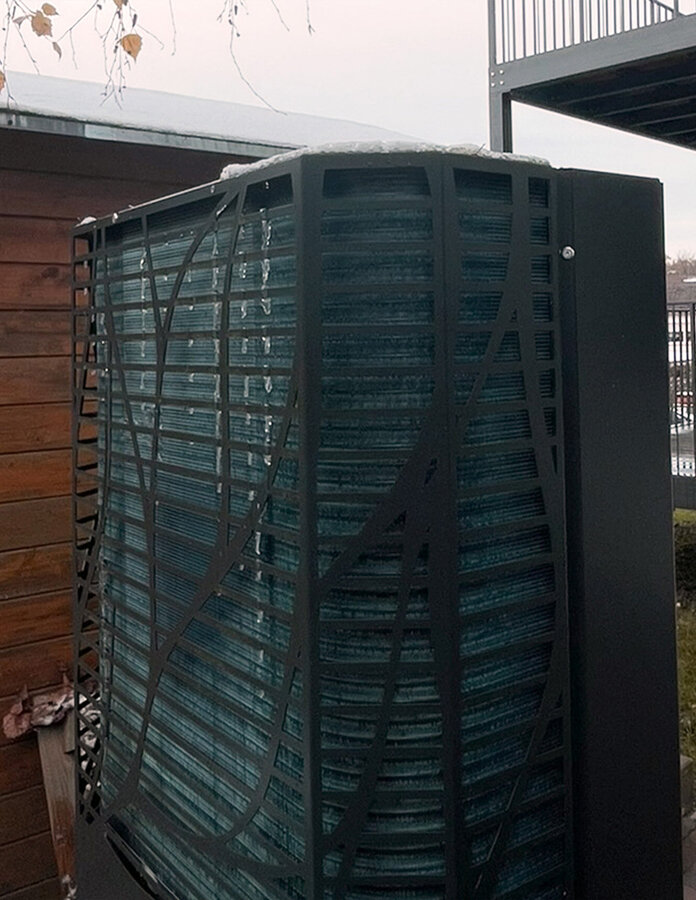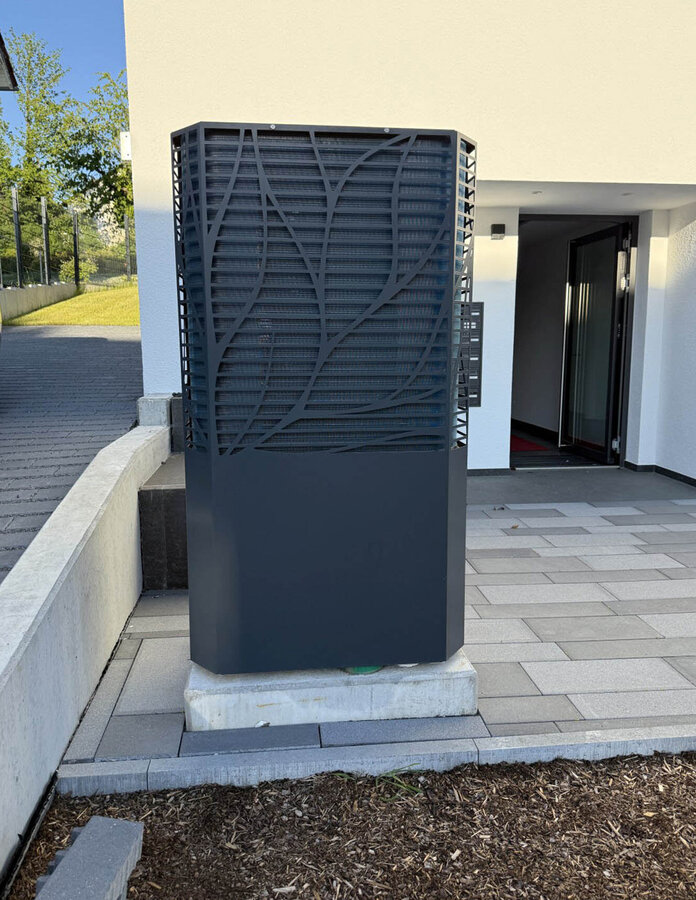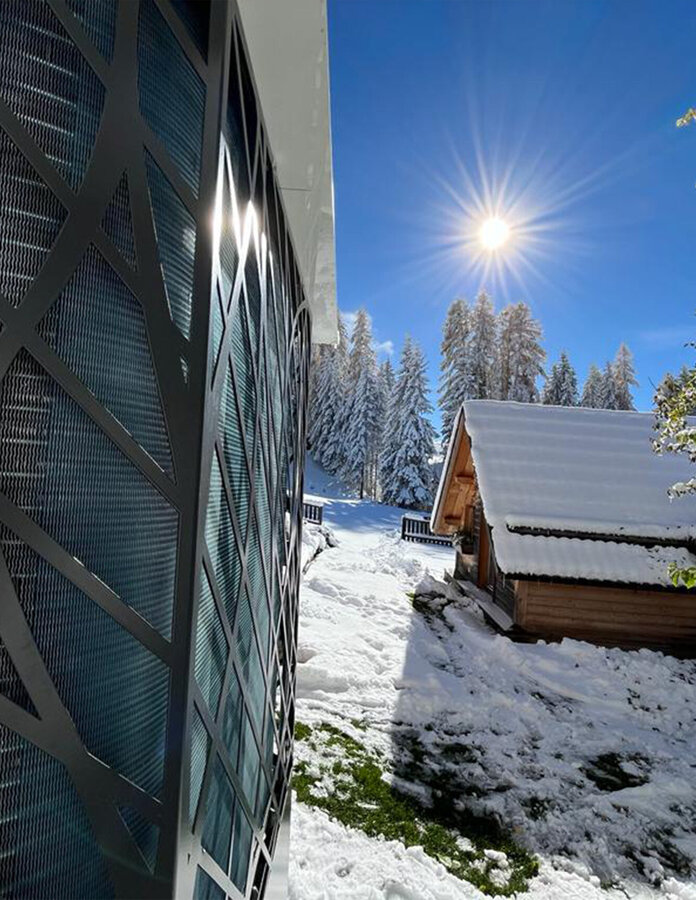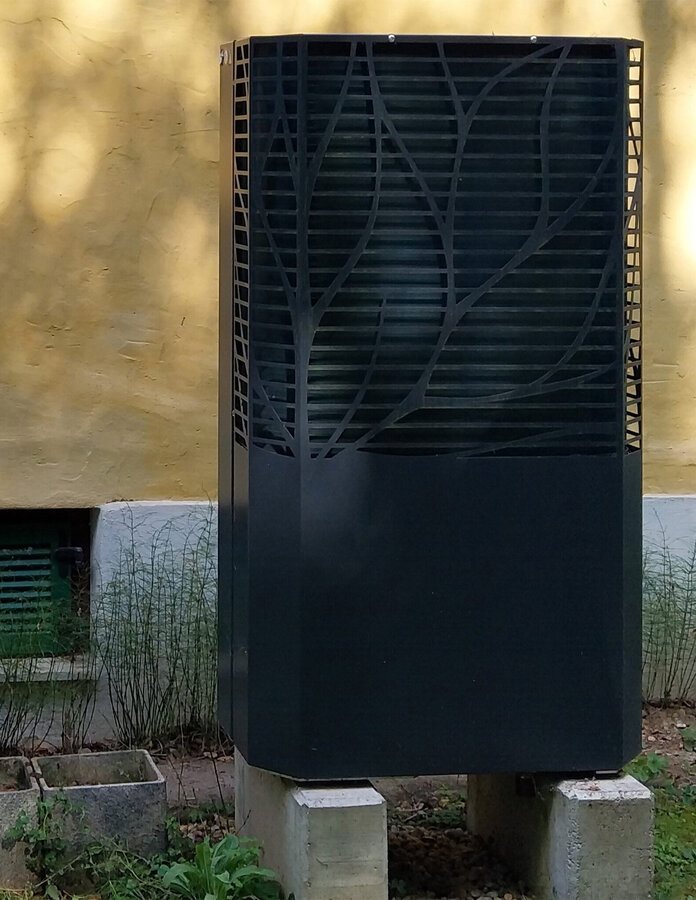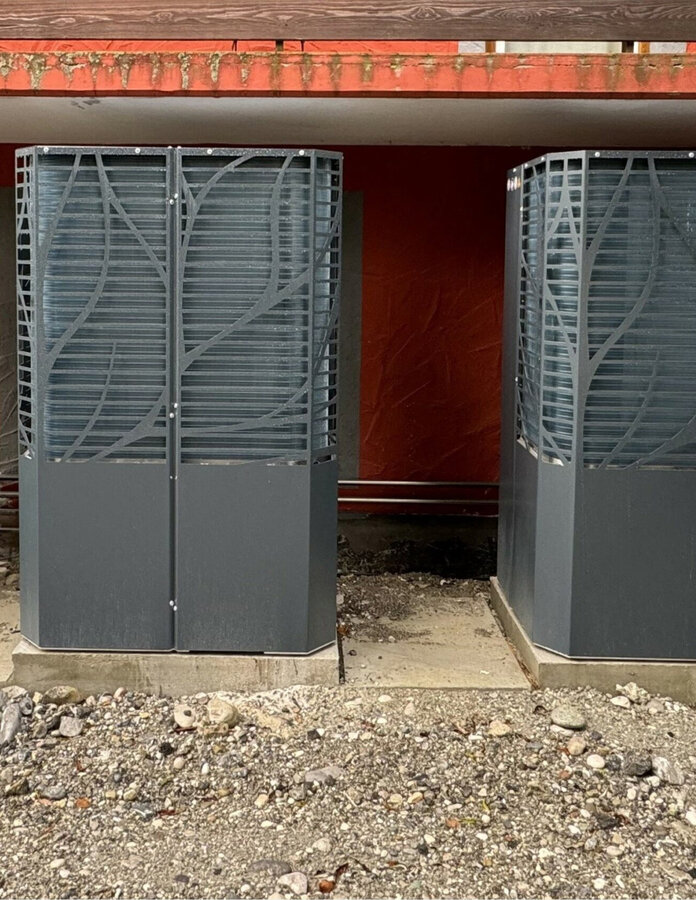

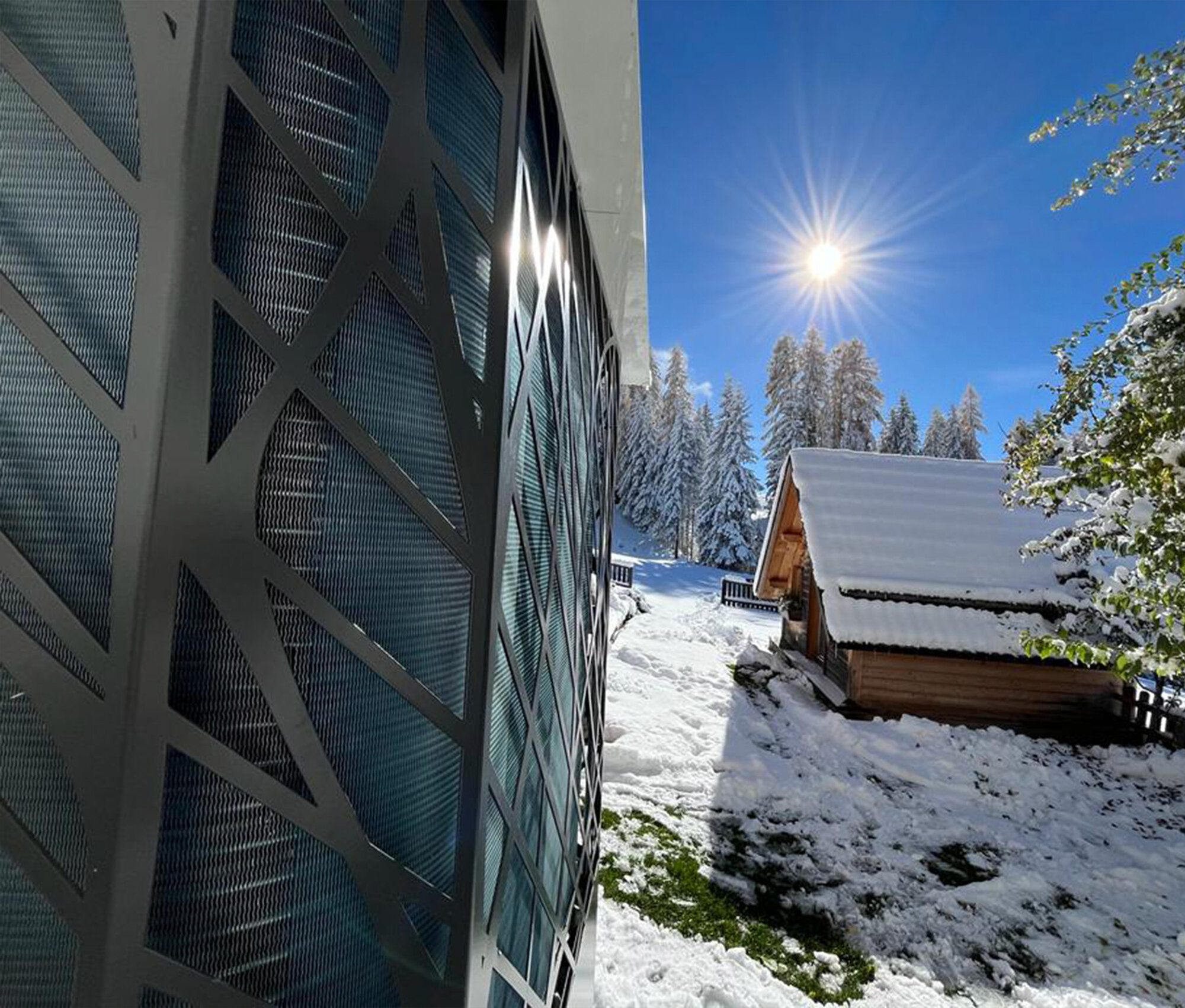
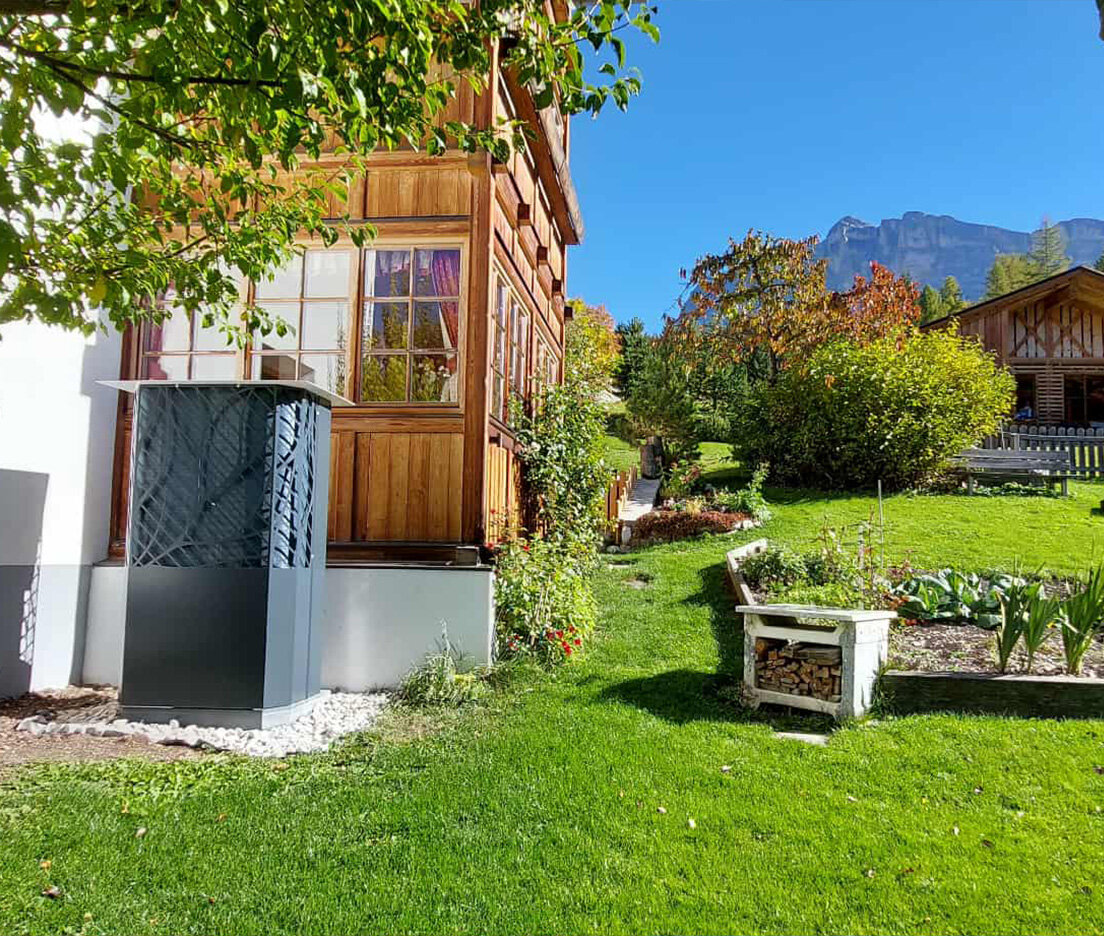
Nestled in the heart of the Dolomites, at an altitude of about 1,500 meters, a LAMBDA heat pump proves that efficient heating is possible even under extreme conditions. Our customer, Sem Valentini, is already entering his fifth heating season—convinced by the technology and the independence it offers him.
Tradition meets innovation: Heating in a Ladin “vila” from 1854
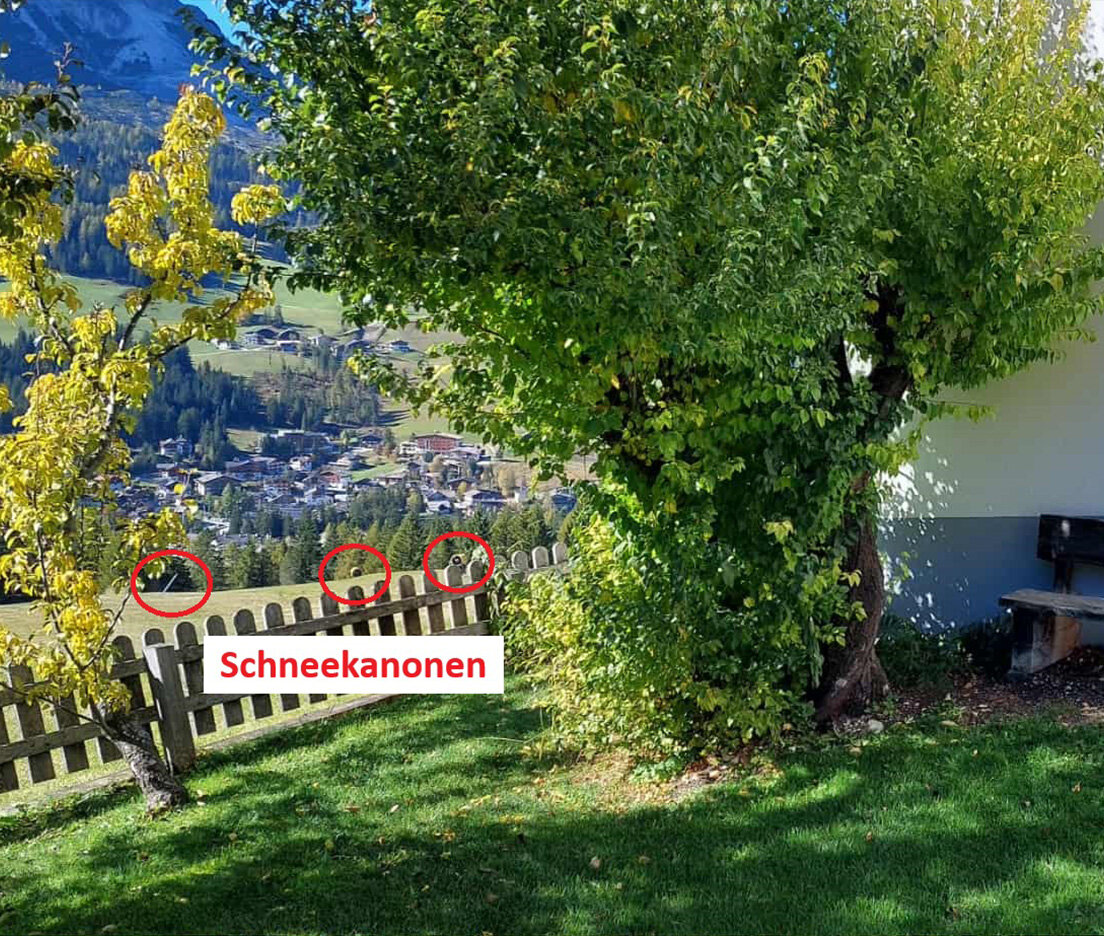
The house—a classic Ladin villa built in 1854—is located right next to a ski slope. While snow cannons draw in cold air there, Sem Valentini uses the same air source to heat his old house. “Almost all the experts said
it could never work,” he recalls. But the LAMBDA air-to-water heat pump has been proving the opposite for years: reliable, quiet, and efficient, even in freezing temperatures.
As part of an energy-efficient renovation following Climate House guidelines, the facade and the top floor ceiling were insulated. The project was supported by the Italian Superbonus 110% subsidy. During the work, a piece of the original ridge beam dated 1854 was even discovered in the roof truss—a piece of history that is now being carried forward with state-of-the-art heating technology.
The Challenge of Older Buildings – and Why LAMBDA Still Wins You Over
A 19th-century house puts any heating system to the test:
- no continuous insulation,
- some old radiators with high flow temperatures,
- rooms modernized at irregular intervals, and a hydraulic system that wasn’t ideally planned.
Nevertheless, the system has been running stably and efficiently since 2021. “The heat pump works—and it works excellently. I hardly would have believed it myself,” says Sem Valentini.
Key Technical Specifications of the Project
Year the house was built | 1854 |
Living area | approx. 200 sq ft (indirectly 250 sq ft incl. boiler room) |
Residents | 4 people in 2 residential units (AT) |
Heating system | Radiators, 1 floor heating system (bathroom), 1 convector (stairwell) |
Heat pump commissioning | November 2021 |
PV system | 12 kW with batteries – covers nearly the entire electricity demand |
Facade insulation | Yes, top ceiling also insulated |
Room temperature | 21–22 °C |
Electricity consumption | approx. 3,000 kWh/year (hot water via solar system) |
Annual performance factor (APF) | 4.0 |
Desire for independence and a predictable future
For Mr. Valentini, one thing was clear from the start: “I wanted to be independent—no more gas bills, no more oil, no more chopping wood.”
With his LAMBDA heat pump, photovoltaic system, and solar thermal system, he has achieved this goal. The system operates almost entirely self-sufficiently and ensures predictable, stable heating costs—independent of fossil fuels.
Why LAMBDA?
After extensive research and consultation, the decision was made to install a LAMBDA heat pump. “It was the best decision—every now and then, you just make the right one,” said the owner. The commissioning was handled remotely—it was simple, smooth, and efficient. Since then, the system has been running without a hitch, year after year.
Conclusion after four heating seasons
Even after four years, enthusiasm remains high:
- Efficient operation even in sub-zero temperatures
- Stable heat supply despite the building’s age
- High proportion of self-generated electricity thanks to the PV system
- Energy self-sufficient, low-maintenance, and reliable
“I live next to the ski slope, where snow cannons suck in cold air—and my LAMBDA uses that same air to heat my 170-year-old house. If that doesn’t convince you, I don’t know what will.”
Our conclusion at LAMBDA
This case study clearly demonstrates that
even in high-altitude alpine regions and historic buildings, efficient heating with a heat pump is not only possible but also sustainable and economically sound.
The LAMBDA heat pump proves that technology, quality, and reliability go hand in hand—even under extreme conditions. Sustainable. Efficient.